Online holistic coaching
Holistic coaching supports the person as a whole — body, emotions, mind, spirit. Consult our holistic coaches via chat or phone for comprehensive support — no subscription.
View available practitioners
What is a holistic coach?
A holistic coach supports the person as a whole, without separating body, emotions, and mind as a specialized therapeutic approach would. "Holistic" comes from the Greek "holos" meaning "whole, entire" — the underlying philosophy holds that the physical, emotional, mental and spiritual dimensions of a person are interdependent and that you can't durably transform one without touching the others.
Their toolkit blends very varied approaches: classic coaching questioning (techniques from Anglo-Saxon coaching — Whitmore, ICF), belief work on limiting beliefs (NLP, Process Communication), conscious breathing (Wim Hof method, heart coherence, pranayama), guided meditation, simple body exercises (stretching, grounding), sometimes light energy reading, visualization, or integration of wisdom from older traditions (Taoism, Sufism, Buddhism).
A holistic coach is neither a psychologist nor a doctor. Their practice is not regulated by the state in the way these health professions are. They offer complementary support, oriented toward inner alignment, value clarification, and concrete action. Their added value lies in their listening, questioning ability, and the diversity of tools they can mobilize depending on your situation. On Guidanza, every coach is vetted before activation.
When to consult a holistic coach
Most common requests: feeling adrift in life without knowing what to change, navigating a transition (career change, separation, relocation, retirement, parenthood), regaining control after burnout or emotional exhaustion (alongside medical follow-up), clarifying values and priorities after living too long on autopilot, improving the relationship with oneself (self-esteem, inner dialogue, tolerance).
Holistic coaching is also useful for rebalancing: too much mental and not enough body, too much emotion and not enough structure, too much action and not enough reflection. The coach helps identify the imbalance and proposes practices to restore harmony between dimensions.
Conversely, holistic coaching is not suited to situations requiring medical or psychotherapeutic follow-up: severe depression, chronic anxiety, eating disorders, addictions, untreated deep trauma. For these topics, consult a psychologist, psychiatrist, or specialized therapist first. Good holistic coaches redirect you themselves to these professionals if their listening identifies a deeper need that exceeds their scope.
How a session works
Browse the profiles of available holistic coaches, compare reviews and approaches (each coach has a declared toolkit on their profile). Pick the mode (chat or phone) and a duration — 45 to 60 minutes is the norm for a full session, sometimes more for a first exploration appointment.
After secure payment via Stripe, the session starts. You share where you are — without trying to structure or summarize. The coach listens, reformulates, questions. They don't give direct advice like a business consultant; they help you explore your own vision and identify the transformation levers you already carry without being aware of them.
Depending on your request and their approach, they can offer insights (cognitive reframing, putting in perspective), share practical exercises to integrate after the session (observation journal, short meditation, breathing), or explore a dimension you neglect (the body if you're very mental, emotion if you're very rational). At the end of the session, you typically leave with one to three concrete leads to experiment with. You can then leave a public review on their profile.
Holistic coach, psychologist, therapist: who does what?
Clinical psychologist: regulated mental health professional (university Master's degree). Diagnoses, treats psychic disorders, registered in the RPPS directory. Essential for depression, severe anxiety, eating disorders, trauma, addictions. Sometimes covered by national health systems or insurance.
Psychotherapist: protected title (in France) since 2010, requires specific training. Practices therapeutic listening, can be of different orientations (psychoanalysis, CBT, gestalt, systemic, EMDR). Essential for deep inner work.
Psychiatrist: specialist doctor, can prescribe medication. Essential for disorders requiring medication management (severe depression, bipolar disorders, psychoses).
Holistic coach: companion, practice unregulated in the medical sense. No diagnosis, no treatment. Works on alignment, values, life transition, action. Essential when you want to move forward concretely on a chosen project or transformation, and you don't have an underlying psychic disorder.
"Classic" coach (business, life): focused on concrete objectives and performance. The holistic coach is distinguished by their global vision (body-mind-emotion) and integration of tools from broader traditions (energy work, meditation, philosophy).
The best holistic coaches know when they're not the right resource and redirect to the right person. If in doubt, it's a sign you should first consult a psychologist.
The tools of holistic support
Each coach has their own palette, but here are the most frequently used tools in the holistic field:
Powerful questioning: techniques from Anglo-Saxon coaching (GROW model, calibrated open questions, reformulation). The idea isn't to give answers but to help the client formulate their own.
Belief work: identifying limiting thoughts ("I'm not capable," "I don't deserve"), understanding their origin, and experimenting with more accurate reformulations. NLP, Process Communication, Ericksonian hypnosis are common tools.
Body practices: breathing (heart coherence, Wim Hof, pranayama), stretching, grounding. The body carries tensions and memories that the mind can't reach directly.
Meditation and mindfulness: short guided practices (5-15 min) to integrate into daily life. Brings perspective, inner calm, and better self-observation.
Visualization and active imagination: techniques inherited from Jungian psychology. Allows dialogue with parts of oneself (inner child, shadow, sage) that logical thought doesn't touch.
Light energy work: chakra reading, simple balancing, grounding, protection. See our energy work page for more advanced approaches.
Symbolic tools: tarot spreads, oracle cards, runes — used not to predict but to open a reflection or inner dialogue. See oracles and tarot.
Updated on 13 October 2026
Available holistic coaches
Nathalie Suteau
Tarot, Clairvoyance, Oracles
Français · English
Voyante, cartomancienne et numérologue depuis 20 ans, je suis à votre écoute pour répondre à toutes vos questions et interrogations. J’utilise des supports reconnus comme le Tarot de Marseille, l’Oracle de Belline et la numérologie. J’ai également suivi plusieurs formations, dont une formation complète Clévao avec Alexis Tournier, afin d’approfondir et structurer ma pratique. Lors d’une consultation, mon objectif est de vous apporter des réponses claires et concrètes. Je ne me limite pas à “prédire” : je vous aide aussi à comprendre une situation, à prendre du recul et à faire des choix plus justes pour vous. Je vous accompagne avec sérieux, honnêteté et bienveillance, pour vous apporter des éclairages fiables, que ce soit sur le plan sentimental, professionnel ou personnel.
Fabrice Eynolwaden
Clairvoyance, Oracles, Cartomancy
Français
Bonjour , je suis Fabrice , voyant . Depuis toujours, ma vie est guidée par une quête intérieure profonde. J’ai voyagé à travers le monde, en quête de sagesse, de rencontres et de vérités cachées. Ces voyages m’ont permis de m’ouvrir à différentes cultures, énergies et traditions spirituelles. La méditation fait partie intégrante de mon quotidien depuis de nombreuses années. Elle m’a appris à écouter le silence, à capter les vibrations subtiles et à me connecter à une guidance intérieure plus vaste que moi. Les arts martiaux ont également façonné mon chemin : discipline, équilibre, maîtrise de soi… autant de valeurs qui ont renforcé ma sensibilité et mon intuition. Aujourd’hui, je mets à profit l’ensemble de ce parcours — riche en expériences humaines, spirituelles et énergétiques — pour accompagner ceux qui cherchent des réponses, de la clarté ou un alignement intérieur. Être voyant, pour moi, c’est écouter au-delà des mots, ressentir au-delà du visible, et transmettre avec justesse ce que je perçois
Marie Lily
Mediumship, Clairvoyance, Cartomancy
Français
Je suis Médium et Cartomancienne, passionnée par les énergies invisibles et les messages subtils qui nous entourent. Depuis plusieurs années, j’accompagne les personnes en quête de réponses, de compréhension ou d’apaisement dans leur vie. Mes guidances ne sont pas là pour vous dire ce que vous souhaitez entendre, mais pour vous transmettre des messages sincères, justes et utiles à votre évolution. Je travaille avec différents supports : oracles, tarot, ressentis intuitifs,… ainsi qu’avec les énergies des dragons protecteurs, qui apportent une guidance puissante, profonde et souvent transformative. Amour ❤️ Professionnel 💫 Finances 👑 Famille et Relations 👩👦 Chaque consultation est un moment d’échange, sans jugement, dans lequel je mets toute mon énergie pour vous aider à y voir plus clair. Mon objectif : vous aider à avancer avec confiance, à prendre les bonnes décisions et à retrouver votre pouvoir personnel. Je réponds aussi à tes questions spiritualité, médiumnité, Tirages de cartes sous forme de coaching. Mes disponibilités : Essentiellement en semaine pour le téléphone. Pour les questions mails et le tchat, je suis disponible toute la semaine.
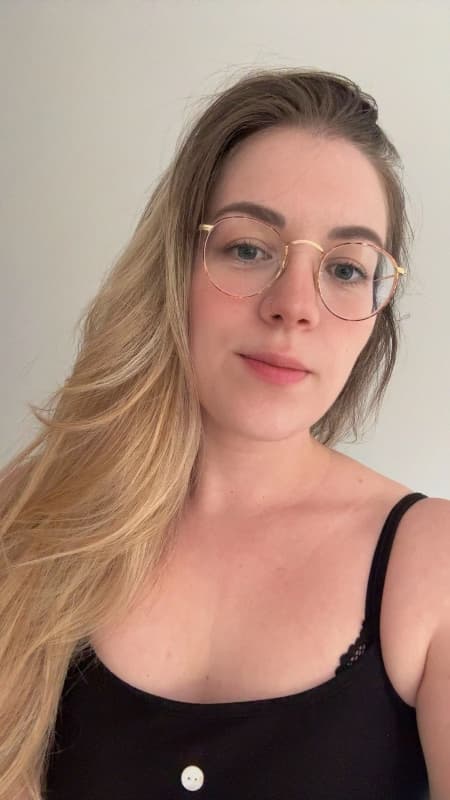
Margaux Witchsun
Mediumship, Clairvoyance, Oracles
Français · English
Margaux Witchsun, praticienne intuitive et spécialisée en écriture automatique. Je vous accompagne avec une approche bienveillante et intuitive pour éclairer vos questionnements, vos relations et les périodes de transition.
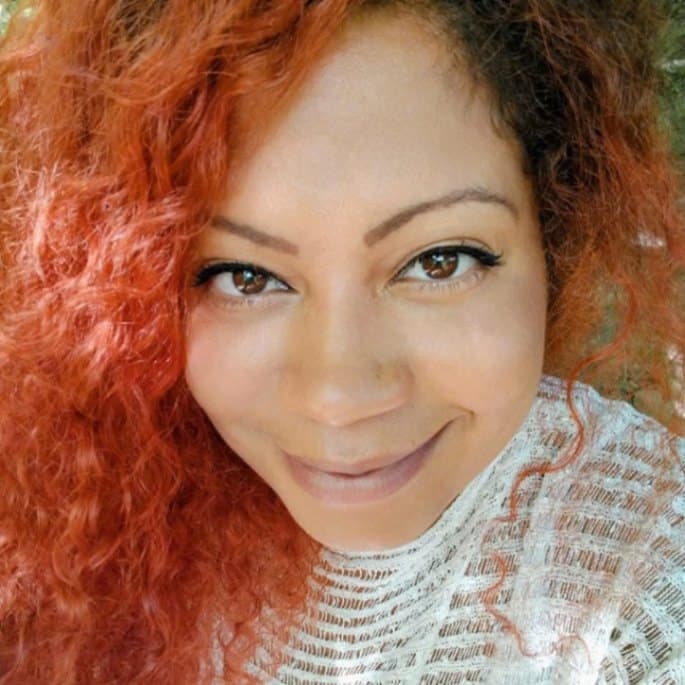
Ama
Mediumship, Clairvoyance, Cartomancy
Français
Je suis Ama, médium, sonothérapeute et cartomancienne. À travers mes ressentis, mes flashs, ma clairaudience et les cartes, je vous propose un éclairage à vos questionnements. Avec une approche ancestrale je suis spécialisée dans l'accompagnement et la transformation. J'accompagne notamment les périodes de transition, les deuils, les séparations... Chaque rencontre est un moment d'écoute et de partage, dans le respect de votre histoire et de votre cheminement. Je vous accueille avec bienveillance pour vous aider à mettre du sens sur ce que vous traversez et à avancer plus sereinement. Ama guidance Ancestrale
Frequently asked questions
What's the difference with a psychologist?▾
A psychologist is a regulated mental health professional (university training, possible coverage by national health systems and insurance). A holistic coach is a companion — their practice is not regulated the same way. For psychic disorders (depression, severe anxiety, trauma), consult a psychologist first.
How many sessions are needed?▾
Depends on the request. Sometimes one session unlocks something or clarifies a decision. Beyond that, it's up to you whether there will be others, and at what pace: each session is booked individually, with no subscription or commitment.
Is holistic coaching reimbursed?▾
No, it's not a regulated medical profession. Some insurance plans partially reimburse depending on the practitioner's profile (especially with recognized certifications) — check directly with your insurance.
Can coaching happen remotely?▾
Yes, very well. On Guidanza, holistic coaches work by phone or chat — what matters is the quality of listening, not physical presence. Many clients even find that distance facilitates speech.
What tools does a holistic coach use?▾
It varies by coach: powerful questioning, conscious breathing, guided meditation, visualization, limiting belief work, emotional intelligence, sometimes light energy reading or symbolic tools (tarot, oracle cards). Each coach lists their palette on their profile.
How do I know if I should see a psychologist instead?▾
If you feel persistent psychic suffering (depression, chronic anxiety, untreated trauma, eating disorders, addictions), consult a psychologist or psychiatrist first. Holistic coaching is complementary, not a substitute. Good coaches identify these situations themselves and redirect you.
How much does a holistic coaching session cost?▾
Coaches set per-minute rates. Prices start at €1.80 per minute and vary depending on experience and training. A full 45-60 min session costs from €81 — comparable to in-office coaching rates.
Can I do holistic coaching for a loved one?▾
No — coaching requires the motivation and presence of the coachee. You can't do a session "in place of" your partner, child or friend. You can however work yourself on the relationship you have with that person — often more effective than wanting to change them.
Related specialties
Other practices that might answer your question.