Online spiritual guidance
Guidance is an intuitive form of support that helps you see a situation more clearly, make a decision, or realign with your path. Consult our guidance practitioners by chat or phone for personalised insight — no subscription.
View available practitioners
What is spiritual guidance?
Guidance is a form of support where the practitioner picks up intuitive information about your situation and shares it as insights, advice or reflection prompts. It's a flexible and synthesizing practice that occupies a particular place in the divinatory arts landscape: halfway between pure psychic work (raw perception), holistic coaching (questioning, action) and Jungian-oriented psychology (search for meaning and archetype).
Unlike strict divinatory readings (tarot, runes, pendulum), guidance doesn't systematically rely on a tool. It draws mainly on the practitioner's sensitivity, sometimes enriched by a light symbolic support (guidance oracle, randomly drawn card, guided meditation). The tone is generally benevolent, calm, oriented toward inner movement rather than event prediction.
The goal is not to predict what will happen — it is to help you see what's already in motion within you and around you, and to make conscious decisions. The guide doesn't decide for you; they share what they perceive, illuminate the forces at play (yours, those of the environment), identify blocks and openings, and leave you free in the final choice. It's a stance of service to the client's journey, requiring both intuitive sensitivity, deep listening, and great humility — a guide who'd take themselves for an absolute oracle betrays the essence of the practice.
When to consult in guidance
Most common requests: hesitating between two important life choices (stay or leave, accept or refuse a job, continue or end a relationship), sensing you're no longer in the right place without knowing where to go, going through a foggy period where nothing makes sense anymore and usual benchmarks fail, wanting to understand a complex relationship (dragging family conflict, hard-to-decode couple dynamic), or looking for an inner anchor during a transition (grief, retirement, separation, parenthood, immigration).
Guidance is particularly useful when you need to take a step back rather than get a binary answer. Faced with a question like "Will I change jobs this year?", it mainly invites you to explore what you expect from that change and what it reveals about your current path. It's also the practice of choice when you're going through a deep questioning moment and want a sensitive outside view rather than a prediction.
Conversely, guidance is not a substitute for therapy. If you're going through real psychic suffering (depression, chronic anxiety, trauma), consult a psychologist first. The guide illuminates the path, they don't treat deep wounds. Good guidance practitioners know this and redirect to the right resource if needed.
How a guidance session works
Browse the profiles of available guidance practitioners, compare reviews and approaches (some work with an oracle, others in pure perception, others integrate coaching elements). Pick the mode (chat or phone) and a duration — 20 to 45 minutes is the norm, leaving time for real dialogue rather than a delivered monologue.
After secure payment via Stripe, the session starts. You present the situation or question on your mind — no need to detail everything. The practitioner often prefers to start from a simple presentation and explore deeply with you, rather than receive a complete file that would pre-orient their listening.
They tune in — inner silence, presence to your energy, openness to what emerges. Then they share what they perceive: sensations, images, keywords, sometimes symbols or archetypes. These elements serve as a starting point for an interactive exchange — you validate, clarify, question. The practitioner can also propose reflection leads or small exercises to integrate after the session (observation journal, short breathing, meditative walk).
At the end, you ideally leave with new clarity about your situation — not necessarily a definitive answer, but an observation angle that unlocks something. You can then leave a public review on the practitioner's profile.
Guidance, psychic work, coaching: what's the difference?
Psychic work — whether pure, by cards, by pendulum or by astrological chart — seeks to perceive information about what is, what's coming, or what's playing out energetically. It's more predictive, more turned toward events, and more dependent on the support used.
Guidance sits halfway. Like psychic work, it uses the practitioner's intuitive perception. But it's less predictive and more relational: its goal isn't to predict what will happen but to illuminate how you position yourself facing what's emerging. It leaves great room for dialogue and the client's free will.
Holistic coaching doesn't rely on intuitive perception in a divinatory sense. It draws on questioning, active listening, and tools from psychology and personal development to help the coachee clarify their own vision and take action. The coach doesn't bring information "from elsewhere" — they help the coachee formulate their own answers.
Guidance is therefore a synthesis: a little intuitive perception (like psychic work), a dimension of dialogue and sense-making (like coaching), and often a calmer and more contemplative tone than the other two. Many guidance practitioners actually have training in several approaches that they combine according to each client's needs.
Recognizing a good guidance practitioner
Guidance being a flexible practice without strict methodological framework, the practitioner's quality matters even more than in other more codified approaches. A few signs that distinguish a good guide:
They don't tell you what to do. A good guide shares what they perceive and accompanies you in your reflection — they don't give orders, don't impose decisions, don't judge your choices. If you leave with the impression of having received a user manual, beware: it's not guidance, it's prescription, and it's the sign of a practitioner projecting their own framework onto you.
They say "I don't know" when that's the case. As in pure psychic work, humility is a strong quality marker. A guide who claims to know, perceive, predict everything is suspect.
They ask questions rather than assert. Guidance is an exchange. If the practitioner monopolizes the floor and delivers "information" for 40 minutes without letting you react, the format isn't respected.
They respect your pace and free will. They don't push you to make a decision during the session, don't create artificial urgency ("you absolutely must do X before the end of the month"), don't instill fear ("if you don't decide quickly, you'll regret it").
They redirect you to other resources if needed. If your situation calls for a psychologist, lawyer, doctor, therapist, a good guide tells you clearly. Guidance is not a universal substitute.
Public reviews left on the profile are another indicator — particularly reviews describing the practitioner's attitude (listening, respect, accuracy) more than the pure "precision" of their perceptions.
Updated on 13 October 2026
Available guidance practitioners
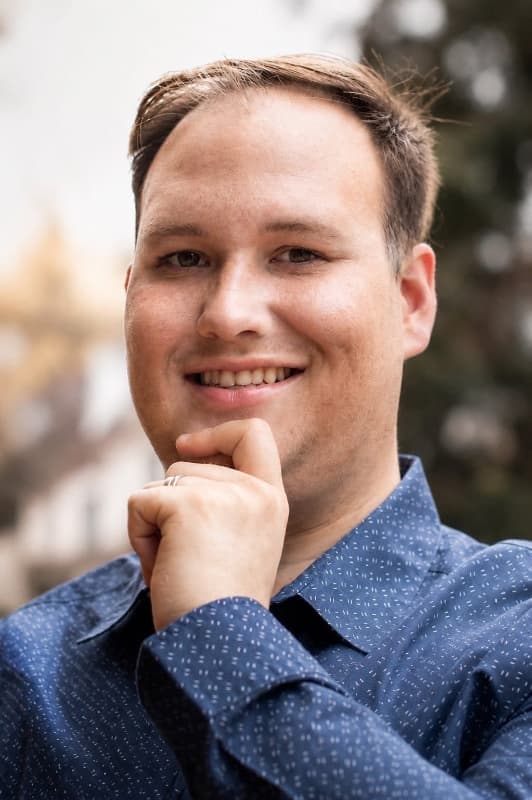
Logan CHALTE
Mediumship, Astrology, Clairvoyance
Français
Médium pur et auditif de naissance, je mets mes ressentis et mes perceptions au service de vos interrogations depuis plusieurs années. Grâce à une connexion intuitive développée naturellement, je vous apporte des réponses précises, sincères et sans complaisance sur les domaines qui vous préoccupent : amour, avenir sentimental, vie professionnelle, finances, choix de vie ou évolution personnelle. Chaque consultation est un moment privilégié d’écoute et d’échange. Mon objectif n’est pas seulement de prédire, mais aussi de vous aider à comprendre les énergies qui vous entourent afin de prendre les meilleures décisions pour votre avenir. Reconnu pour ma rapidité, ma bienveillance et la justesse de mes ressentis, j’accompagne chaque personne avec respect, confidentialité et authenticité. Membre de l’INAD et régulièrement cité dans la presse spécialisée, je mets toute mon expérience à votre disposition pour vous éclairer avec honnêteté. 🔮 Besoin de réponses ? 🌟 Une situation vous préoccupe ? 💫 Vous cherchez à retrouver confiance en l’avenir ? Je vous accueille avec bienveillance pour une consultation sincère, dans laquelle chaque question mérite une réponse claire. Votre avenir commence souvent par une simple question. ✨
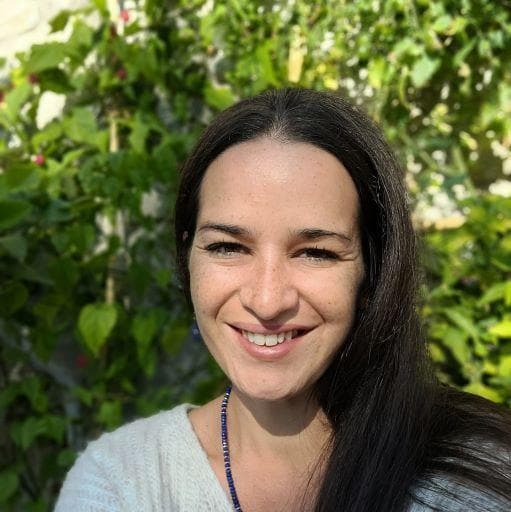
Elise Aluna
Astrology, Oracles, Clairvoyance
Français
Bienvenue à vous ! Je me prénomme Elise et je suis Astrologue depuis 20 ans. J'ai à coeur de vous aider à trouver les réponses à vos questions avec bienveillance et sans complaisance. Au cœur du cœur, nous sommes la Source. Une seule conscience, un seul coeur. En apparence et bien souvent en pratique, les Astres et le ciel semblent nous influencer, ils sont les fils invisibles des marionnettes que nous croyions être. Ensemble et grâce à l' Astrologie, nous pourrons voir ce que les astres révèlent pour vous. En étudiant le ciel et grâce à un échange privilégié, une interprétation précise est possible. La consultation consiste à voir ensemble les solutions qui sont déjà là. Pour une étude rapide et précise, j'ai besoin de votre prénom et date de naissance. L' Astrologie décrit la structure du personnage, de la matrice, son mode de fonctionnement et les grandes lignes de l'existence. Elle permet de faciliter et de voir la vie avec un regard nouveau, plus tolérant et plus bienveillant envers les autres mais aussi et surtout, envers soi-même. Comprendre les rouages inscrits dans le cosmos peut aider à l' acceptation totale et inconditionnelle du fonctionnement de l' univers. Tous les aspects peuvent être sublimés. Pour cela, je vous propose une écoute personnalisée afin de vous éclairer et vous transmettre tout ce que j'ai pu accueillir avec joie. Enjoy !

Ketty Sona
Mediumship, Guidance, Clairvoyance
Français
🌸Bonjour, je suis Ketty, médium et cartomancienne Une question qui vous préoccupe ? Des doutes sur votre avenir sentimental, professionnel ou personnel ? Besoin de comprendre une situation ou simplement d'y voir plus clair ? 🤍 Je suis là pour vous apporter des réponses, un éclairage et une écoute bienveillante. A travers mes ressentis et mes supports, je canalise les messages qui vous sont destinés pour vous accompagner sur votre chemin de vie, avec sincérité, douceur et sans complaisance. ✨ Et pour commencer notre consultation, il me faut uniquement votre prénom et votre date de naissance ! Au plaisir de vous retrouver en consultation ! Ketty 🌸
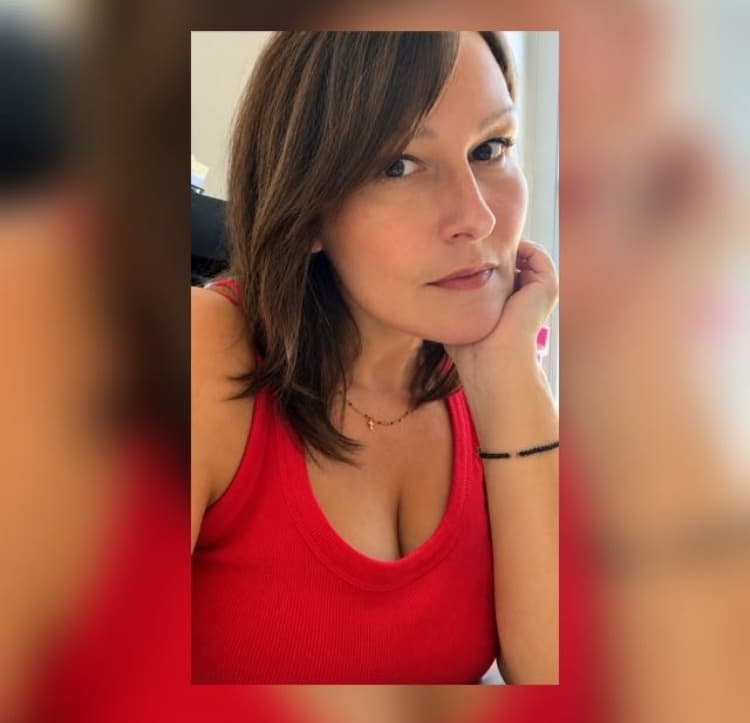
Ginie
Mediumship, Clairvoyance, Cartomancy
Français
Je suis Ginie, médium, clairvoyante et clairaudiente de naissance. Depuis toujours, je perçois les énergies, les émotions et les informations qui échappent parfois au regard ordinaire. Au fil des années, j'ai développé mes facultés intuitives afin de les mettre au service de celles et ceux qui ressentent le besoin d'être guidés, rassurés ou éclairés dans une période de questionnement. Lors de nos consultations, je m'appuie sur mes ressentis, ma médiumnité ainsi que sur mes oracles et mon pendule pour affiner les messages que je reçois. Ces outils me permettent de mieux comprendre les situations que vous traversez, d'identifier les blocages qui peuvent freiner votre évolution et de mettre en lumière les opportunités qui s'offrent à vous. Je vous accompagne avec sincérité et bienveillance dans tous les domaines de votre vie : l'amour, les relations sentimentales et familiales, les choix professionnels, les projets personnels ou encore les périodes de doute et de transition. Mon objectif n'est pas de vous dire ce que vous souhaitez entendre, mais de vous transmettre avec honnêteté les informations qui me parviennent afin de vous aider à prendre les meilleures décisions pour votre avenir. Chaque consultation est un moment d'échange privilégié où vous pouvez vous exprimer librement, sans jugement. Je mets un point d'honneur à vous offrir une guidance claire, précise et respectueuse, dans un climat de confiance et d'écoute. Si vous recherchez un éclairage sincère sur votre situation actuelle, des réponses à vos interrogations ou simplement un accompagnement pour avancer avec davantage de sérénité, je serai heureuse de vous guider sur votre chemin. Ensemble, faisons la lumière sur les réponses que votre âme cherche à entendre.
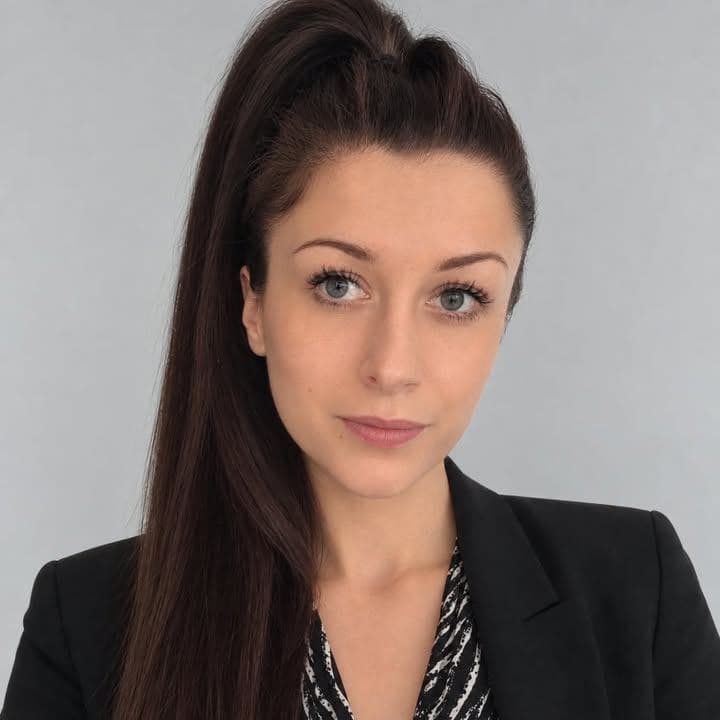
Nélia
Mediumship, Oracles, Cartomancy
Français
✨ Nélia – Médium intuitive et clairaudiente • Des perceptions présentes depuis l’enfance, développées au fil de 11 années de pratique ✨ Mes capacités extrasensorielles ainsi que mon parcours spirituel m'ont amenée à développer mes facultés médiumniques, notamment mon intuition et ma clairaudience. J'exerce ces pratiques depuis plus de 10 ans. J'utilise différents supports et arts divinatoires (cartomancie, radiesthésie, écriture automatique/intuitive) qui vont permettre "d'enclencher" la communication, néanmoins la majeure partie des éléments viennent de mon intuition et/ou de la clairaudience. Je n’ai pas de méthode précise pour procéder. Je m’adapte aux besoins de chaque personne, en m'appuyant sur mes ressentis avant tout. Je traite le domaine sentimental / professionnel / familial / financier. Mon approche repose sur l'écoute, la bienveillance et l'authenticité. Cependant je ne suis pas pour autant dans la complaisance. Je vous transmets les messages et perceptions qui se présentent à moi, dans le respect de votre libre arbitre, afin de vous accompagner sur votre chemin de vie.✨

Lesoindesoi
Pendulum, Cartomancy, Energy Work
Français
Je suis Charlotte, cartomancienne et énergéticienne depuis 13 ans. J’aime utiliser les cartes comme un miroir, pas comme une vérité toute faite. À travers mes guidances, je mêle intuition, lecture des cartes et ressentis pour vous aider à mettre des mots et de la clarté sur ce que vous traversez. Amour & relations • Travail & projets • Changements • Énergies du moment • Questions personnelles ATTENTION PAS DE QUESTION AUTOUR DE LA SANTÉ OU DE GROSSESSE Pas de jugement, pas de fatalité : juste un éclairage sincère pour vous aider à y voir plus clair. Vous gardez toujours votre libre arbitre. Moi, je vous transmets ce que les cartes ont à vous montrer.
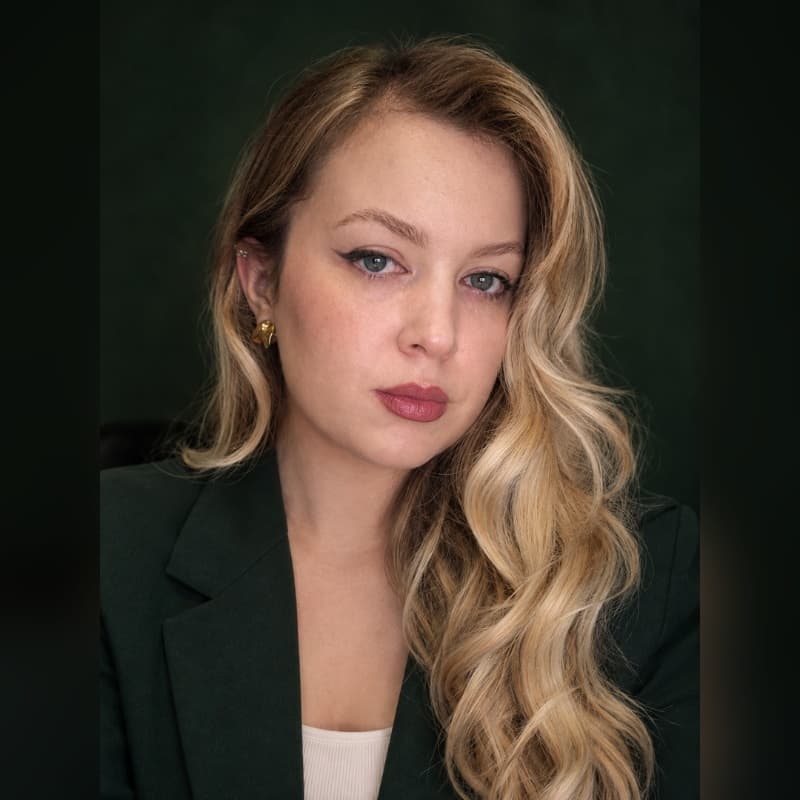
Maëva Bossert
Mediumship, Clairvoyance, Energy Work
Français
Médium de naissance, je vous accompagne avec bienveillance grâce à mes flashs, ressentis, clairvoyance et clairaudience. Précognition, rétrocognition, prédictions et guidances me permettent d’explorer votre passé, votre présent et les tendances de votre avenir. Chaque consultation est unique et s’adapte à vos besoins et aux informations que je reçois. Je travaille principalement sans support, mais peux approfondir mes perceptions à l’aide du pendule, des oracles ou de l’écriture intuitive et automatique. Je pratique également le contact avec les défunts, pouvant aller jusqu’à l’incorporation médiumnique, ainsi que l’exploration des vies antérieures. Également énergéticienne, je peux identifier certains blocages et déséquilibres et proposer des soins adaptés. Mon approche repose avant tout sur la douceur, l’écoute, la sincérité et l’absence de jugement, dans le respect de votre libre arbitre.
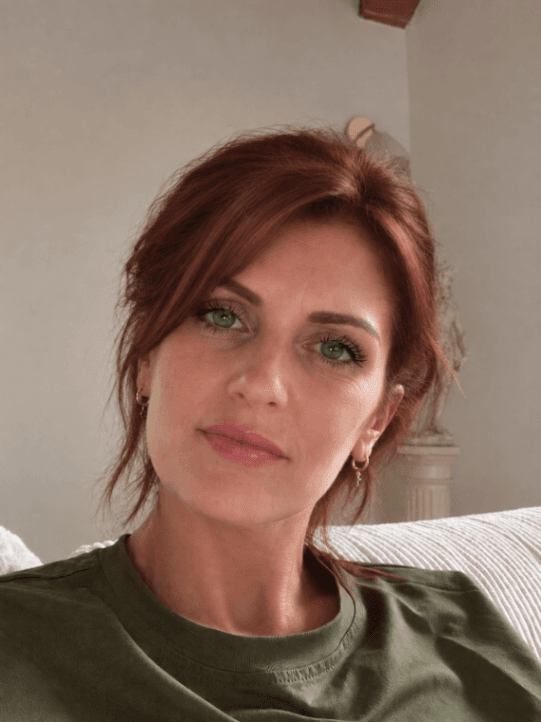
Joya medium
Mediumship, Pendulum, Guidance
Français
Je suis Joya médium et voyante, spécialisée dans les consultations intuitives et la guidance personnelle. Grâce à mes ressentis, à mon intuition et à différents supports, je vous accompagne dans vos questionnements et les différentes étapes de votre vie. Chaque consultation est personnalisée, dans un cadre d’écoute, de respect et de confidentialité. Ma pratique repose principalement sur : Le ressenti médiumnique : perception d’informations, d’énergies et de situations à travers mes ressentis. L’écriture intuitive : réception et retranscription de messages ou d’informations intuitives. La clairaudience : perception intuitive de mots, phrases ou messages qui peuvent se présenter au cours d’une consultation. La voyance : lecture intuitive d’une situation et de ses différentes possibilités d’évolution. L’Oracle de la Triade : un support qui vient compléter mes ressentis et apporter des éclaircissements. Le pendule : utilisé pour certaines questions précises et pour compléter la consultation. Le contact défunt : lorsque cela se présente naturellement durant la séance, je peux vous accompagner dans une démarche de communication avec un proche disparu. Je propose des consultations sur plusieurs domaines : Amour et sentimental : sentiments, relations, évolution d’une situation, séparation, rencontre, couple. Travail et professionnel : changement, évolution, projets, orientation et choix professionnels. Famille et entourage : relations, situations personnelles et questionnements concernant vos proches. Projets et décisions : besoin de prendre du recul, choix à effectuer ou situation nécessitant davantage de clarté. Développement personnel et spirituel : chemin de vie, intuition, ressentis, évolution personnelle et questionnements spirituels. Défunts : accompagnement autour d’un contact avec un proche disparu lorsque celui-ci se présente dans le cadre de la consultation. Mon approche Je privilégie une consultation authentique, humaine et personnalisée. Je prends le temps d’écouter votre situation et de vous transmettre mes ressentis avec sincérité et bienveillance. La médiumnité et la voyance peuvent apporter un autre éclairage sur une situation, mais elles ne remplacent pas les décisions personnelles ni les conseils des professionnels compétents dans les domaines concernés. Je vous accueille avec écoute, discrétion et respect, pour vous accompagner au mieux dans vos interrogations et votre cheminement.
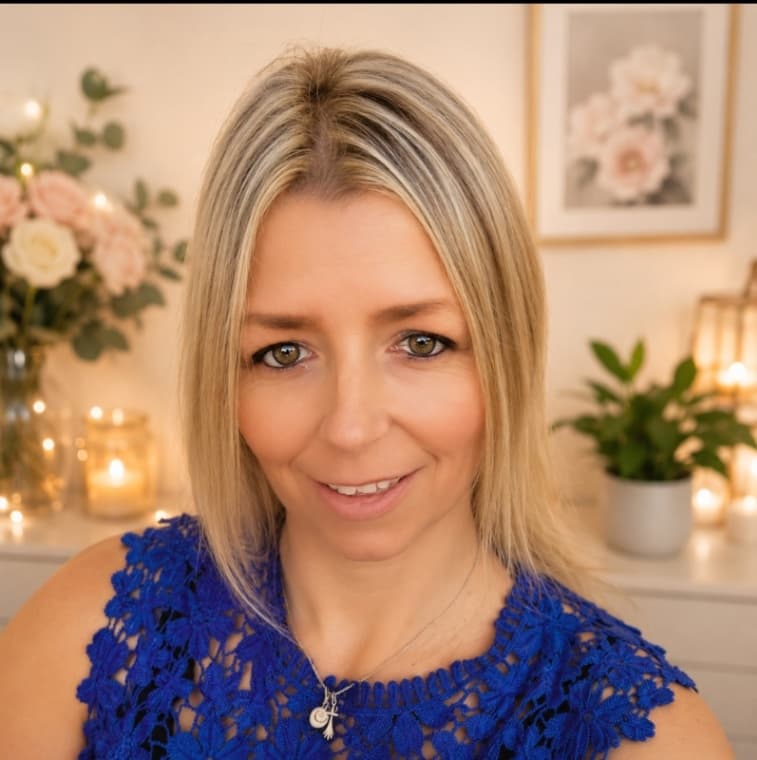
Anna
Mediumship, Oracles, Guidance
Français
Bonjour, Je m'appelle Anna, Medium pure et cartomancienne. Médium depuis mon plus jeune âge venant de ma grand-mère maternelle, je ressens les choses et les vibrations qui me permettent de vous répondre. Mon guide est ma maman. Guider les personnes dans la vie est ma vocation, ma passion. Quelque soit votre question, j'y réponds avec sincérité et sans complaisance mais dans la bienveillance. Je ne souhaite que votre bonheur et votre réussite. Mes prédictions sont datées du mieux possible une date, un mois, une saison... Je vous réponds par flashs et avec mon merveilleux jeu de cartes ! N'hésitez plus, je suis là pour vous. A très vite ! Anna
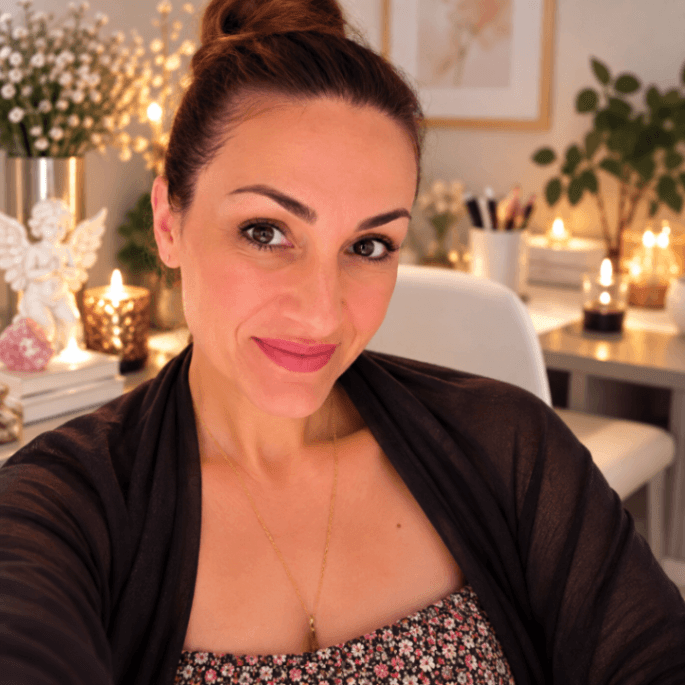
Elena
Mediumship, Astrology, Oracles
Français
🔮 Elena — Médium & Astrologue Médium pur et astrologue depuis plus de 20 ans, je mets mon don, mon intuition et mon expérience au service de vos questionnements. Depuis toutes ces années, j’accompagne les personnes qui ressentent le besoin d’obtenir un éclairage sur leur situation, de mieux comprendre ce qu’elles traversent ou simplement de mettre des mots sur leurs interrogations. À travers mes ressentis, mes perceptions et ma sensibilité, je vous accompagne avec bienveillance, sincérité et sans jugement. Chaque personne étant unique, chaque consultation l’est également. ❤️ Dans le domaine sentimental, je peux vous accompagner dans vos questionnements liés à une relation, aux sentiments, aux changements dans votre vie affective ou aux situations qui vous laissent dans le doute. ✨ Sur le plan personnel, nous pouvons aborder les périodes de transition, les choix importants, les questionnements qui vous empêchent d’avancer ou simplement ce besoin de comprendre certaines situations. 💼 Dans le domaine professionnel, je peux également vous apporter un éclairage sur vos interrogations, vos changements, vos projets ou les périodes d’incertitude. L’astrologie vient également compléter mon approche, en permettant d’explorer votre personnalité, vos cycles et les différentes périodes de votre vie à travers votre thème astral. Mon objectif n’est pas de décider à votre place, mais de vous apporter un éclairage sincère et personnalisé, afin que vous puissiez prendre du recul et avancer avec davantage de clarté et de sérénité. Chaque consultation est confidentielle, personnalisée et menée dans le respect de votre histoire et de votre libre arbitre. Si vous ressentez le besoin d’échanger, d’obtenir des réponses ou simplement d’être accompagnée dans une période particulière de votre vie, je serai heureuse de vous recevoir. ✨ Elena Ange — Médium pur & Astrologue Plus de 20 ans d’expérience à votre écoute..
Nathéa
Mediumship, Clairvoyance, Guidance
Français
Absente du mardi 13 octobre au dimanche 25 Octobre. Bienvenue dans mon espace de lumière ! Médium expérimentée, je vois, j'entends et je transmets les messages qui me sont donnés avec sincérité et bienveillance. Je travaille avec votre prénom et votre date de naissance. Les supports me servent uniquement à structurer ma voyance et mes réponses. Je vous apporte des éclairages et des compréhensions sur les différents thèmes de votre vie. La notion de temps en médiumnité est aléatoire. Je suis également en lien avec la notion de liens d'âme, un cheminement intérieur dans lequel je suis depuis de nombreuses années, dans le ici et maintenant. Un lien d'âme, quel qu'il soit, ne se coupe pas : il se pacifie. Un véritable lien d'âme est éternel. Il peut être actif ou inactif, selon votre choix d'incarnation et l'évolution de l'âme. Plutôt que de chercher à le rompre, il est essentiel de le reconnaître, de le comprendre et de nettoyer les mémoires, blessures et attachements qui l'alourdissent. Ainsi, le lien peut se placer sur un plan vibratoire plus élevé, devenir paisible, libre et porteur d'un amour conscient. Très important : ce travail doit d'abord être validé par vous-même, par votre propre travail et votre boussole intérieure. Personne ne peut le faire à votre place. Ce sont vos propres compréhensions qui vous permettront d'évoluer. Au plaisir de faire votre connaissance 🌸 Nathéa
Délia
Mediumship, Clairvoyance, Cartomancy
Français
Bonjour, Je m'appelle Délia, je suis énergéticiene, medium et voyante. J' utilise les cartes et le pendule en plus de mes ressentis pour répondre au mieux à vos interrogations. La voyance fait partie de ma vie depuis très longtemps peut-être même toujours...Je suis la pour vous guider au mieux. En début de consultation j ai besoin du nom, prénom et date de naissance de chaque personne concernée, je vous en remercie d avance. Je tiens à préciser que je ne pratique pas de complaisance mais je suis toujours dans l écoute et l'empathie avec la personne qui s'adresse à moi. Il est bien de dire aussi qu'il peut arriver que je n ai pas plus d informations que cela sur la situation demandée et dans ce cas je le dis tout simplement. L'authenticité, la sincérité sont importantes pour moi. D autre part, je préfère prévenir que pour faire la voyance, que ce soit au téléphone, par tchat, mail ou sms j ai parfois besoin de prendre mon temps car je privilégie la qualité plutôt que la rapidité. Point important à savoir : je n'aborde pas les sujets de maladie et de mort. Je vous dis à bientôt et vous souhaite une belle journée. Délia.
Frequently asked questions
How is it different from classic clairvoyance?▾
Clairvoyance often aims to predict (what will happen, what's playing out energetically). Guidance aims to illuminate (what's currently unfolding and how to position yourself). The two can complement each other — many practitioners combine clairvoyance and guidance in the same session as needed.
Do I need to believe for it to work?▾
You don't need specific spiritual beliefs. A simple openness to the exchange is enough. The benefit is often measured by the clarity you gain on your own situation — not by verification of supernatural predictions.
Does guidance predict the future?▾
Not exactly. It can indicate ongoing tendencies or active dynamics, but the future is shaped by your choices. Guidance helps you choose, not endure. If you're looking for a more event-focused reading, prefer cartomancy or tarot.
How many sessions do I need?▾
One session is often enough for a specific question or to clarify a decision. Beyond that, it's up to you whether there will be another one, and when: each session is booked individually, with no subscription or commitment.
Can I ask very specific questions?▾
Yes. Guidance can handle a big life question as well as a focused topic (a professional decision, a relationship, a project to launch). The clearer your question, the richer the reading can be. But guidance particularly excels when you arrive with a confused feeling and seek to put words on it.
What's the difference with coaching?▾
Holistic coaching draws on questioning and active listening, without recourse to intuitive perception in a divinatory sense. Guidance combines intuitive perception (like psychic work) and dialogue (like coaching). The tone is generally more contemplative, the goal less oriented toward immediate action.
How much does a guidance session cost?▾
Practitioners set their own per-minute rates. Prices start at €1.80 per minute and vary depending on experience. A full session (30-45 min) costs from €54. No subscription, no commitment.
What topics should NOT be addressed in guidance?▾
Strictly medical questions (diagnosis, prescription), legal (contentious decision), or requiring psychotherapeutic follow-up (deep trauma, psychic disorders). For these topics, consult the competent professional. Guidance can accompany as a complement, never as a substitute.
Related specialties
Other practices that might answer your question.